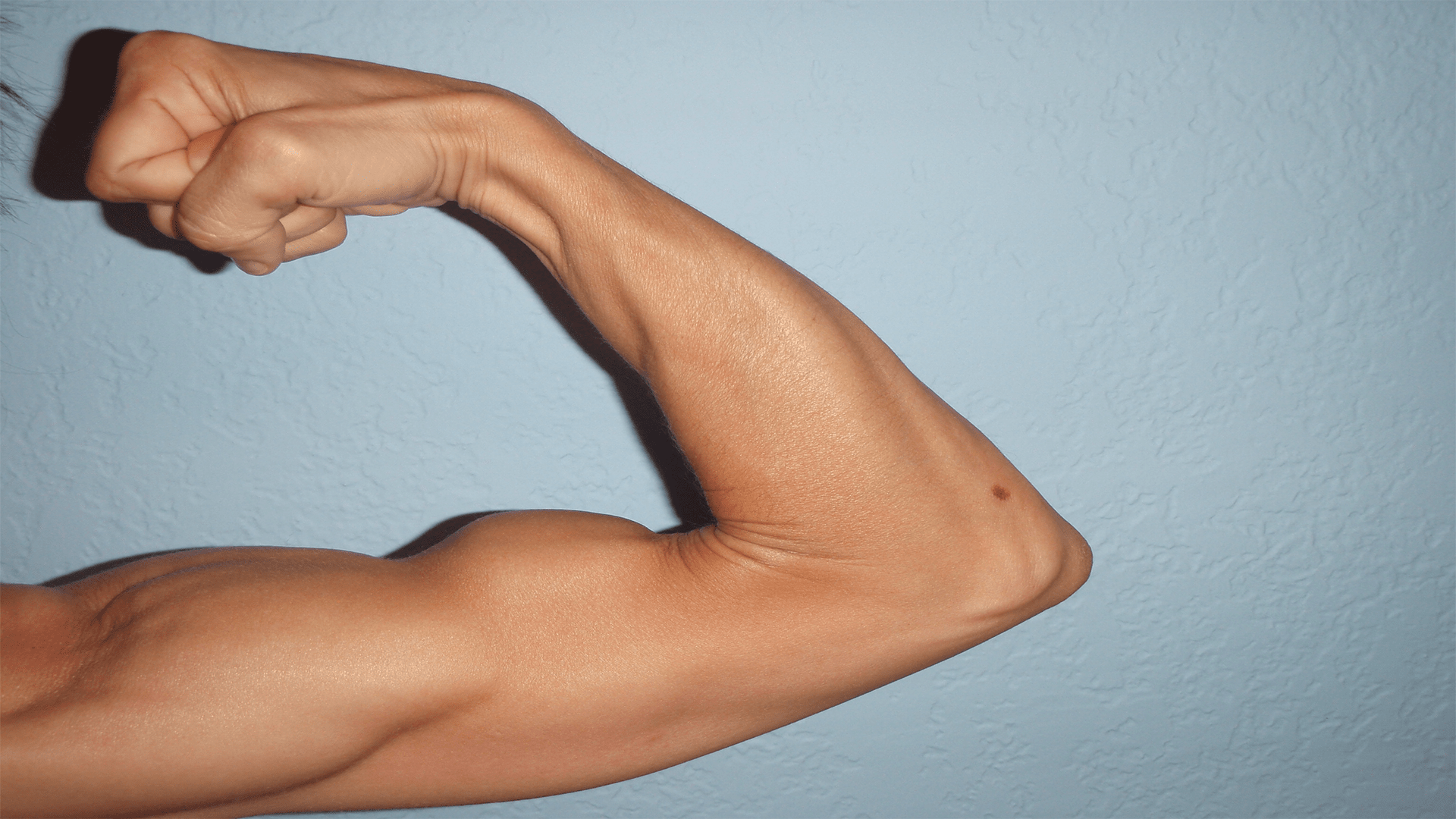
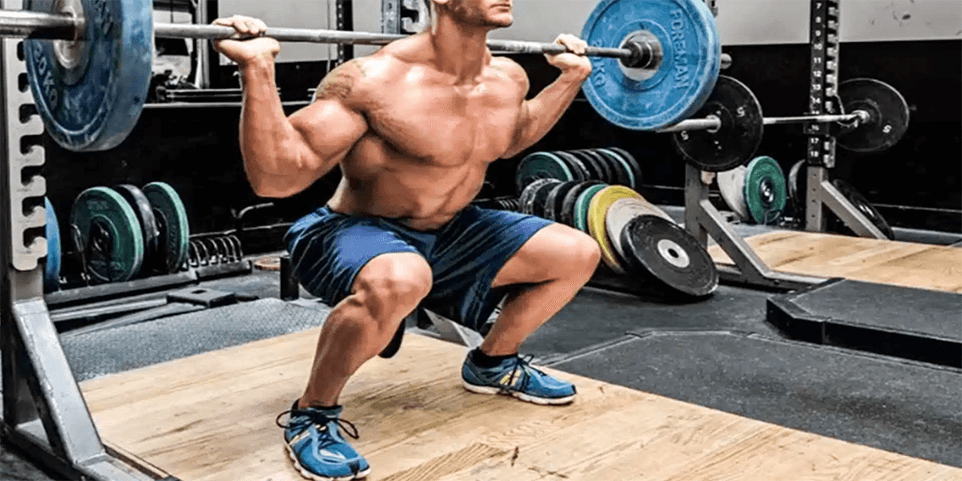
In the realm of fitness, few exercises rival the effectiveness and versatility of the shoulder press. Whether you're an experienced lifter looking to take your gains to new heights or a beginner seeking an effective upper body workout, the shoulder press is a key exercise you should definitely have in your repertoire. The shoulder press might be simple, but this tricky exercise requires knowledge of and strict adherence to the game's rules. We would show some tips on shoulder press and shoulder press machine in this article, including the some concepts and the worked muscle
What is a shoulder press machine?
The shoulder press machine is a weightlifting apparatus designed specifically to target and strengthen the muscles of the shoulders and upper body, primarily involves the deltoid muscles, which are responsible for the abduction and flexion of the arms at the shoulder joint. However, other muscles, including the trapezius, triceps, and upper back, may also be engaged to a certain extent. It is a effective machie for who are hustling after the v-tapered shape worthy of billboards and magazines.
The shoulder press machine has a fixed and limited range of motion so that you can only follow one pattern of movement. By providing a stable and fixed movement pattern, the machine helps users to isolate and target the muscles of the shoulders more effectively.
Some shoulder press machine come with weighted plates holder that you can increase for a heavier load, others come with the weight adjust device, the resistance can be made heavier or lighter by adjusting the pin to the chosen weight.
Why should i use the shoulder press machine?
There are so many shoulder exercises out there today, why i choice to invest in a machine to do shoulder press, rather than use the free weights? Here are the advantages of the shoulder press machine:
1.Enhanced Stability and Safety
2.Isolation of Shoulder Muscles
3.Reduced Stress on Lower Back
4.Ease of Use and Control
5.Reduced Joint Stress
With the machine's guided path of movement and fixed hand grips, the movement is restricted to the vertical plane, increased stability, and targeting the deltoid muscles directly without engaging other muscle groups extensively. Besides, The barbell overhead press requires a strong core and back stability to maintain proper form throughout the exercise, the shoulder press machine provides a backrest and support, reducing the stress on the lower back. All of these makes the machine is more effective, and more friendly to those who are new to weightlifting, or those who have issuse on back, and with limited core strength.

The benefits of performing shoulder press
Using a shoulder press machine can offer a range of benefits for individuals looking to develop their shoulder muscles and improve upper body strength. Here are some key advantages of incorporating a shoulder press machine into your workout routine:
BROADEN SHOULDERS: The machine shoulder press is an isolation exercise at heart, which is specifically target the muscles of the shoulders. The guided movement pattern of the machine ensures that the load is primarily placed on the deltoid muscles, which are responsible for shoulder abduction and flexion. By isolating the shoulder muscles, you can effectively stimulate muscle growth, enhance muscular endurance, and improve overall shoulder development.
INCREASED STABILITY AND SAFETY: The shoulder press machine provides a stable and controlled environment for performing the exercise. Unlike free weights, where you need to stabilize the weight throughout the movement, the machine's fixed path of motion reduces the risk of improper form or loss of balance. This stability makes it an excellent choice for beginners, individuals with limited core strength, or those recovering from injuries who want to focus on safe and controlled shoulder training.
REDUCED STRAIN ON SUPPORTING MUSCLES: When performing free weight shoulder presses, other muscle groups, such as the core, lower back, and legs, are often engaged to stabilize the body. The shoulder press machine, however, minimizes the involvement of these supporting muscle groups. By isolating the shoulder muscles, you can place more emphasis on the targeted muscles, allowing for greater muscle fatigue and growth.
How to perform shoulder press?
Performing the shoulder press effectively involves proper form and technique. Here's a step-by-step guide on one rep, along with some tips to maximize your results:
Setup:
1)Adjust the seat or platform of the shoulder press machine so that the handles or grips are at shoulder height or slightly below.
2)Sit on the machine with your back against the backrest, maintaining an upright posture.
3)Position your feet flat on the floor, slightly wider than shoulder-width apart, for stability.
Hand Placement:
Grab and hold the handles with a solid pronated or neutral grip. Your elbows should be bent and pointing towards the floor.
Start the Movement:
1)Brace your core and maintain a stable and upright position.
2)Inhale and prepare to lift the weight.
3)Exhale and push the handles or grips upward, extending your arms fully without locking out the elbows.Hold this position at the top for a while.
4)Inhale as you lower the weight back down.Keep your elbows to bend to approximately 90 degrees.
Tips for Performing Shoulder Press:
Start with Light Weights: If you're new to shoulder pressing or using a specific machine, begin with lighter weights to familiarize yourself with the movement and ensure proper form.
Engage Your Core: Keep your core muscles activated throughout the exercise to provide stability and prevent excessive leaning or arching of the back.
Maintain a Neutral Spine: Avoid rounding or excessively arching your back during the movement. Keep your spine in a neutral position to promote proper alignment and reduce the risk of injury.
Control the Weight: Focus on controlling the weight during both the lifting and lowering phases of the exercise. Avoid using momentum or swinging the weight.
Avoid Locking Out the Elbows: While extending your arms fully at the top of the movement, avoid hyperextending or locking out the elbows. Maintain a slight bend to keep tension on the shoulder muscles.
Don't Overextend the Lower Back: Keep your lower back against the backrest and avoid leaning back excessively during the press. This ensures that the shoulder muscles are primarily engaged.
Gradually Increase Weight: As you become comfortable with the movement and maintain proper form, gradually increase the weight to challenge your muscles and promote progress over time.
What muscle worked?

The shoulder press primarily targets the muscles of the shoulders, but it also engages several other muscles in the upper body. Here are the main muscles worked during a shoulder press exercise:
Deltoid Muscles: The deltoids are the primary muscles targeted during the shoulder press. They are composed of three heads: anterior (front), medial (side), and posterior (rear). The shoulder press stimulates all three heads of the deltoids, helping to develop overall shoulder strength and size.
Trapezius: The trapezius muscles, commonly referred to as the traps, are located in the upper back and neck region. They assist in stabilizing the shoulder blades during the shoulder press exercise.
Triceps Brachii: The triceps brachii muscles, located on the back of the upper arm, act as synergists during the shoulder press. They help extend the elbow joint and contribute to the pressing motion.
Rhomboids: The rhomboid muscles, situated between the shoulder blades, assist in retracting and stabilizing the scapulae during the shoulder press.
Rotator Cuff Muscles: The rotator cuff muscles, including the supraspinatus, infraspinatus, teres minor, and subscapularis, help stabilize the shoulder joint during the movement.
Serratus Anterior: The serratus anterior muscles, located on the sides of the chest and ribcage, stabilize the scapulae and assist in raising the arms overhead during the shoulder press.
Additionally, other muscles may be indirectly involved as stabilizers and synergists to maintain proper posture and stability throughout the exercise, including the core muscles (abdominals and lower back) and the muscles of the upper back.
It's important to note that the degree of muscle involvement may vary depending on factors such as grip width, range of motion, and individual biomechanics. Adjustments in grip position or equipment used, such as a machine or free weights, may also slightly alter the muscle recruitment patterns.
Syedee Plate Loaded Deltoid and Shoulder Press Machine is one of our best seller, if you are looking for a shoulder press machine for your home gym, why not consider us, syedee promise the lifetime warranty.