Why building the biceps and triceps?
Building the biceps and triceps, which are the muscles located in the upper arm, offers several benefits beyond just aesthetics.- Enhanced Upper Body Strength
- Functional Fitness
- Injury Prevention
- Functional Aesthetics
First, Well-defined biceps and triceps are often considered aesthetically pleasing and can contribute to a more sculpted upper body appearance. Besides, The biceps and triceps play a crucial role in various upper body movements, such as lifting, pushing, and pulling. Developing these muscles can significantly improve your overall upper body strength, which not only allowing you to perform daily activities with greater ease and efficiency, and provide the power and stability needed for optimal performance, like carrying groceries, lifting heavy objects, or participating in sports that require throwing or striking. What truly matters is that stronger arms can assist in protecting the elbow joint and minimizing strain on the surrounding tendons, decreasing the likelihood of conditions such as tennis elbow or tendinitis.

Why using a specialized machines, rather than free weights?
Using specialized machines for exercises like bicep curls and tricep extensions can offer several advantages compared to using free weights.Isolation and Targeting: Machines are designed to isolate specific muscle groups, such as the biceps and triceps. They often provide a guided range of motion that focuses on the targeted muscles while minimizing involvement of other muscle groups.
Reduced Risk of Injury: Machines typically provide stability and support during the exercise, reducing the risk of injury, particularly for beginners or those with limited experience. The guided path of movement helps maintain proper form and reduces the chances of using improper technique or putting excessive strain on joints and connective tissues.
Progressive Overload: Many machines have incremental weight adjustments, allowing for progressive overload over time. This feature makes it easier to track and gradually increase resistance, promoting muscle strength and growth as you progress in your training.
Free weights, such as dumbbells and barbells, offer their own set of benefits, including engaging stabilizer muscles, improving overall coordination, and providing a more functional and dynamic workout experience. A balanced approach that incorporates both machines and free weights can yield the best results for overall strength, muscle development, and functional fitness.
How to use the machine?
Biceps curl
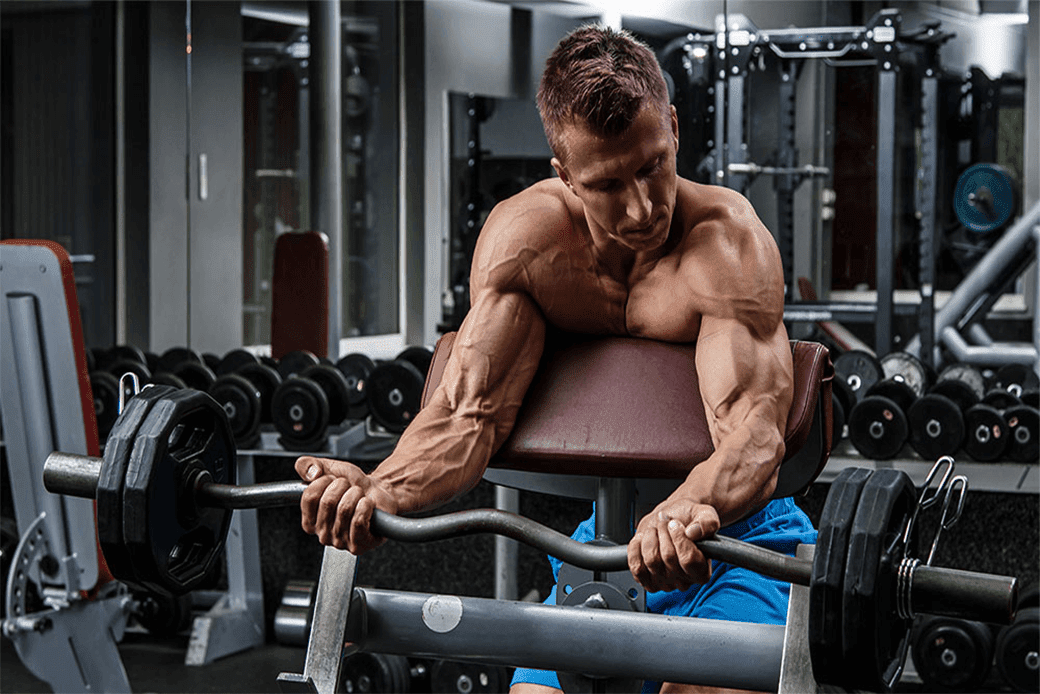
Adjust the machine: Set the seat height so that your arms rest comfortably on the padded armrests of the machine. Ensure your feet are planted firmly on the floor for stability.Select the appropriate weight: Use the weight stack or pin to choose a resistance level that suits your fitness level and goals. Start with a manageable weight if you're new to using the machine.
Start the movement: Keeping your upper arms stationary, exhale and curl your forearms upward by contracting your biceps. Focus on squeezing the biceps muscles and maintaining control throughout the movement.
Full contraction: Continue curling until your forearms are fully contracted, and the handles are close to your shoulders. Pause briefly at the top of the movement to maximize the engagement of the biceps.
Control the descent: Inhale and slowly lower the handles back down to the starting position, extending your forearms fully. Keep tension on the biceps and avoid allowing the weight to drop quickly or using momentum to complete the movement.
Additional tips:
Focus on a slow and controlled movement, emphasizing the contraction of the biceps during the curl and maintaining tension on the muscles throughout the range of motion.Avoid using your shoulders or back to assist in the movement. The emphasis should be on the biceps.
If you feel any discomfort or strain in your wrists, adjust your grip or consider using wrist wraps for additional support.
Triceps press down
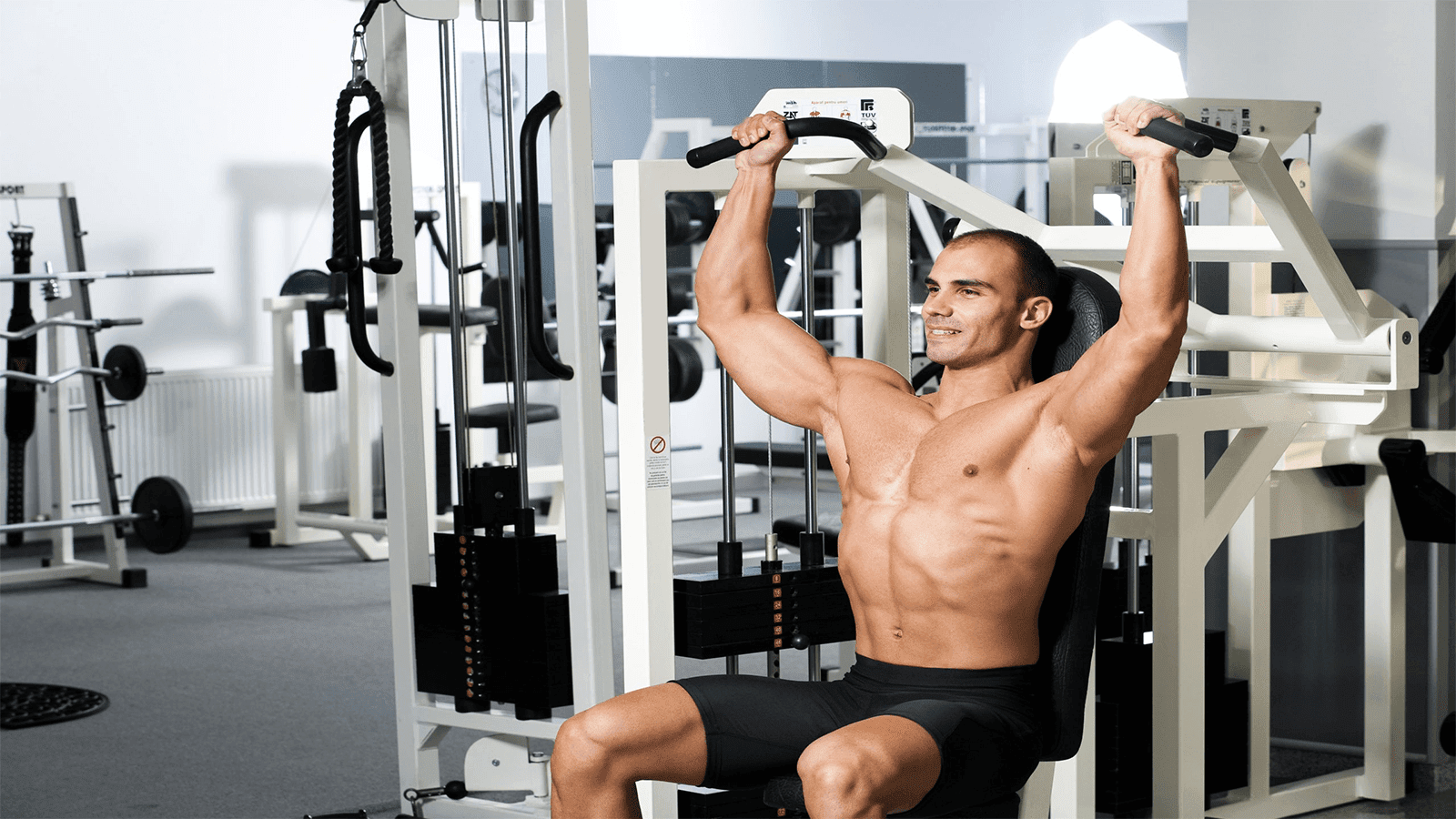
Adjust the machine: Set the seat height so that your arms can comfortably rest on the padded armrests. Ensure your feet are planted firmly on the floor for stability.Position yourself: Sit on the machine with your back against the backrest, maintaining good posture. Keep your chest up, shoulders back, and core engaged throughout the exercise.
Grip the handles: Grasp the handles with an overhand grip or a neutral grip (palms facing each other), depending on the machine design. Your hands should be shoulder-width apart or slightly wider, with your arms fully extended and hanging naturally in front of you.
Start the movement: Keeping your upper arms stationary and in contact with the armrests, exhale and push the handles downward by contracting your triceps. Focus on squeezing the triceps muscles and maintaining control throughout the movement.
Full extension: Continue pressing down until your arms are fully extended, feeling a stretch in your triceps. Pause briefly at the bottom of the movement to maximize the engagement of the triceps.
Control the return: Inhale and slowly allow the handles to rise back up to the starting position, bending your elbows and maintaining tension on the triceps. Avoid allowing the weight to lift quickly or using momentum to complete the movement.
Additional tips:
Focus on a slow and controlled movement, emphasizing the contraction of the triceps during the press down and maintaining tension on the muscles throughout the range of motion.Avoid using your shoulders or back to assist in the movement. The emphasis should be on the triceps.
If you feel any discomfort or strain in your wrists, adjust your grip or consider using wrist wraps for additional support.
What muscle works

In addition to the triceps brachii, other muscles also contribute to the movement during a triceps press down, including Lateral head of the triceps,Medial head of the triceps, Long head of the triceps, Deltoids.
While the triceps are the primary muscles targeted during a triceps press down, other surrounding muscles, such as the forearms and the muscles of the upper back, also come into play to provide stability and assist in the movement.
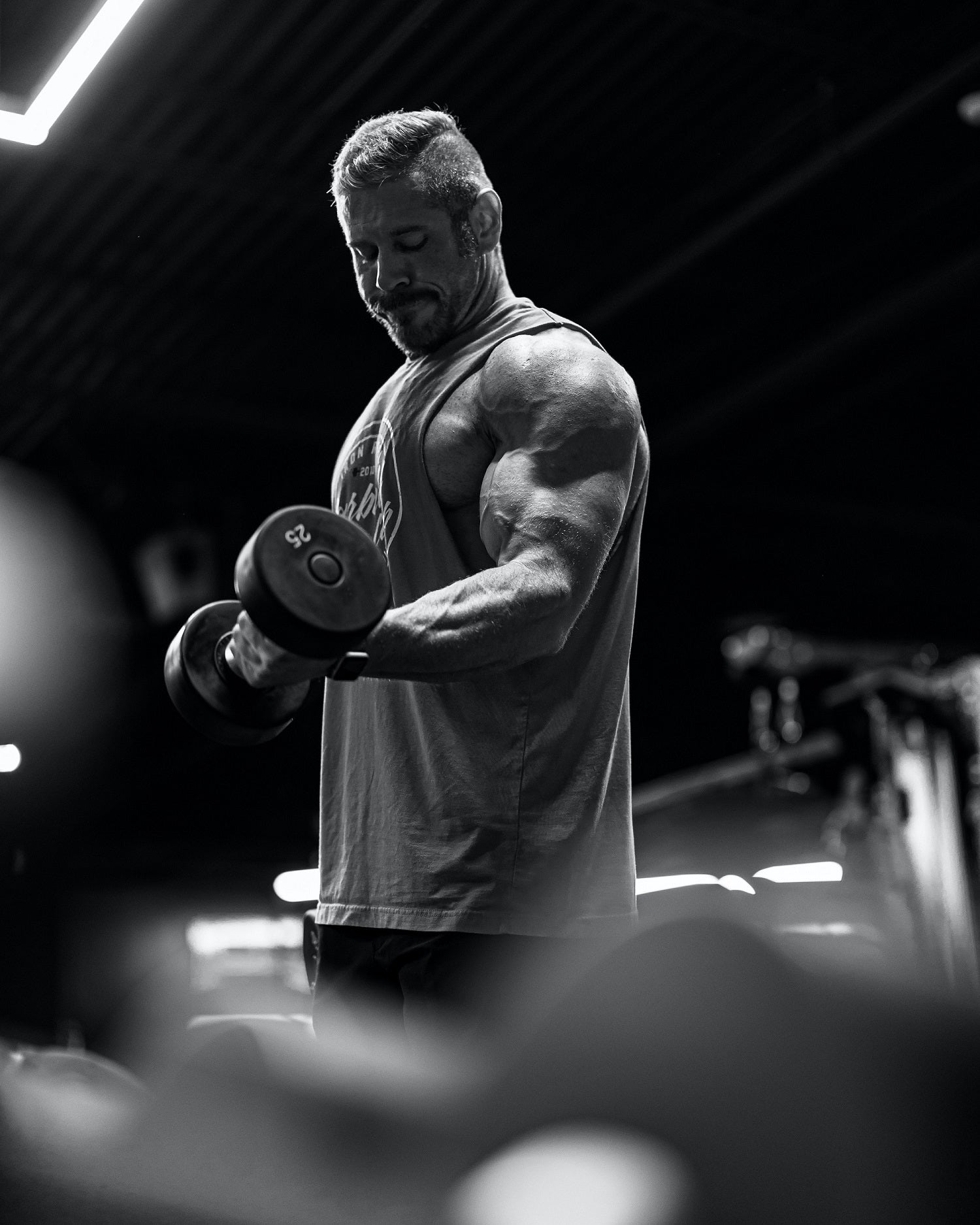
The primary muscle worked during bicep curls is the biceps brachii, which is a two-headed muscle located on the front of the upper arm. The biceps brachii is responsible for flexing the elbow joint and supinating the forearm (turning the palm upward).
In addition to the biceps brachii, other muscles also contribute to the movement during bicep curls, including Brachialis, Brachioradialis, Forearm muscles.
While the biceps brachii is the primary muscle targeted during bicep curls, other surrounding muscles, including the muscles of the shoulder and upper back, also come into play to provide stability and assist in the movement. like Deltoids, Trapezius. It's important to note that the intensity and emphasis on different muscles can vary based on the specific variation of the bicep curl exercise and grip position used, such as using dumbbells, barbells, or cables, as well as utilizing different grips (e.g., underhand, hammer grip).