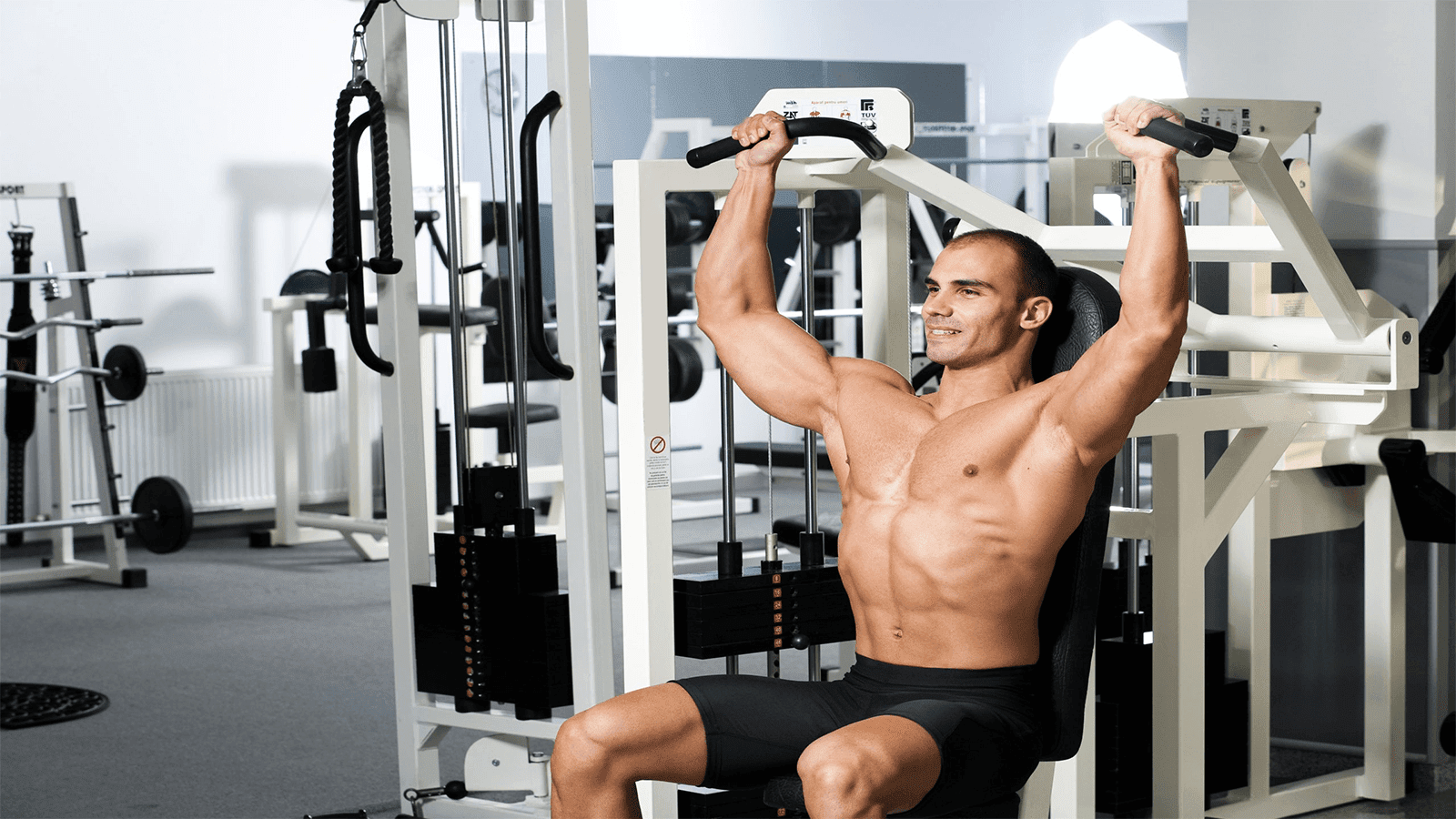
What is the benefits of leg day exercises?
LEG DAY, AS a concept, needs no introduction for anyone in the fitness world. The workouts dedicated to training the lower half of your body—which just so happen to have some of the body's largest muscles, including the quadriceps, hamstrings, glutes, and calves, powering the most important types of movements you can make. Engaging in regular leg day workouts offers several benefits for overall health and fitness. Here are some key advantages:
Enhanced athletic performance: Leg day workouts can help you develop better agility, speed, and explosiveness, enabling you to jump higher, run faster, and move more efficiently.
Balanced physique: Focusing solely on upper body workouts while neglecting leg training can lead to an imbalanced physique. A well-rounded physique with proportional upper and lower body development not only looks aesthetically pleasing but also promotes overall strength and stability.
Increased calorie burn: Leg exercises are typically large compound movements that require significant energy expenditure. Engaging in leg day workouts can boost your metabolism and increase calorie burn during the workout itself. Furthermore, as leg muscles are large and metabolically active, their development can contribute to higher calorie expenditure even during rest.
Real-world function: Weight-bearing exercises, such as squats and lunges, can help improve bone density in the lower body. besides, Leg day workouts can enhance your functional fitness, making daily movements, like walking, climbing stairs, and maintaining balance easier and reducing the risk of injuries or falls.c
How to pick the best leg day exercises?
Even if you're not a true gym buff, you likely know that a typical leg day workout consists of exercises like squats, deadlifts, and lunges. But once you get beyond those tried-and-true cornerstones and you're looking to level up your fitness routine, you might be a bit less confident about the best leg exercises to include in your training plan. Which exercises will lead to be strongest leg muscles and the gains you're hoping to achieve?
Our advice for building leg muscle is to build a plan, considering your fitness goals, current fitness level, equipment availability, and any specific preferences or limitations you may have.
Are you aiming to increase muscle size (hypertrophy), improve strength and power, enhance athletic performance, or simply maintain overall fitness? Your fitness goal is the basic of your leg day plan. Then choosing compound exercises that involve multiple muscle groups and joints, add various variations to your routine. After selecting the compound exercises, you can add some isolation exercises that specifically target individual muscles or muscle groups. Additionally, It's also important to maintain muscle balance between the anterior (front) and posterior (back) muscles of the legs.
Once the plan is completed, stick to it for a set period, As you get stronger and more comfortable with your chosen exercises, plan for progressive overload. Remember that the best leg day exercises will vary based on individual factors, It's crucial to prioritize safety and prevent injuries
Squats
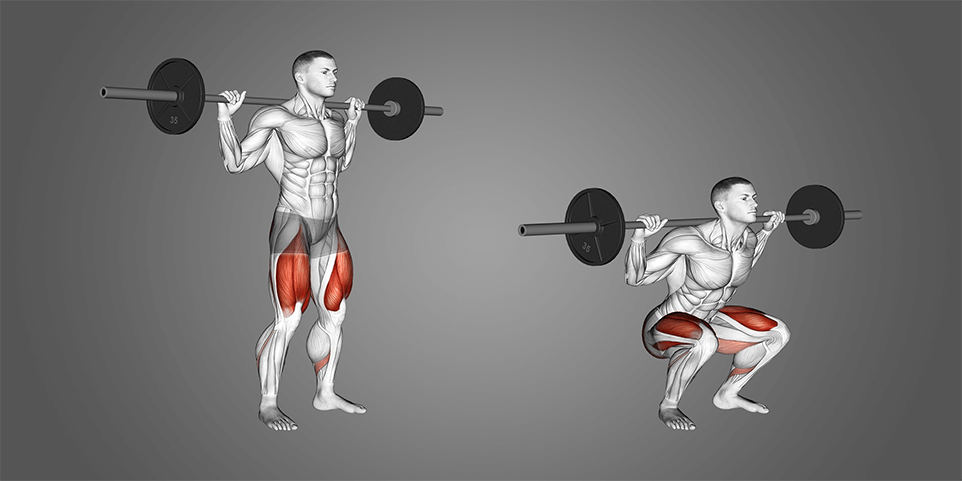
The squat is one of the three lifts in the strength sport of powerlifting, together with the deadlift and the bench press. It is also considered a staple exercise in many popular recreational exercise programs,regarded as a vital exercise for increasing the strength and size of the lower body muscles as well as developing core strength. The primary agonist muscles used during the squat are the quadriceps femoris, the adductor magnus, and the gluteus maximus.The squat also isometrically uses the erector spinae and the abdominal muscles, among others.
1.Start by standing with your feet shoulder-width apart.
2.Engage your core muscles by pulling your belly button in towards your spine
3.Begin the squat by initiating the movement with your hips.
4.Lower your body until your thighs are parallel to the ground, or as close to parallel as you can comfortably go
5.At the bottom of the squat, pause for a moment and ensure you maintain good form
6.Push through your heels and engage your leg muscles to rise back up to the starting position.
Additional tips for performing Squats
First, aviod descending too rapidly and flexing the torso too far forward. Rapid descent risks being unable to complete the lift or causing injury. This occurs when the descent causes the squatting muscles to relax and tightness at the bottom is lost as a result. Over-flexing the torso greatly increases the forces exerted on the lower back, risking a spinal disc herniation.
Second, keep the knee is aligned with the direction of the toes, don't entera valgus position, which can adversely stress the knee joint. An additional common error is the raising of heels off the floor, which reduces the contribution of the gluteus muscles.
Romanian Deadlift
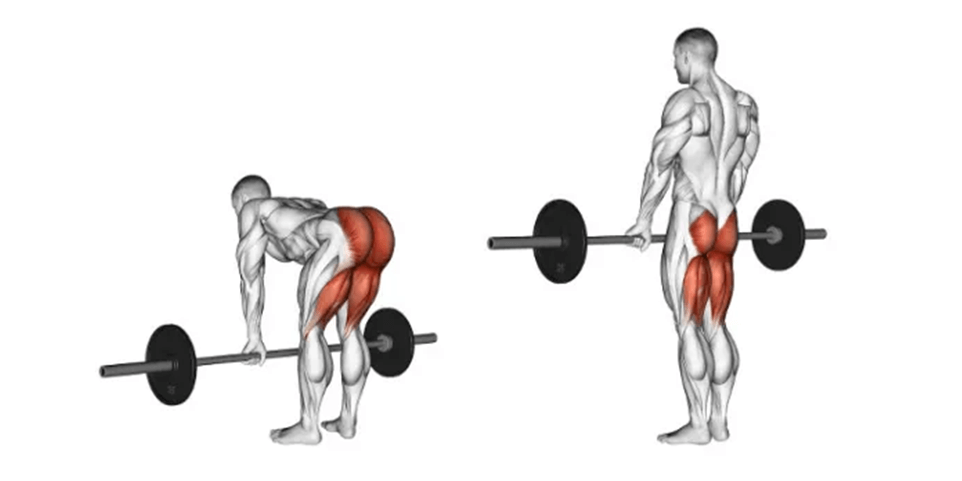
The deadlift is a weight training exercise in which a loaded barbell or bar is lifted off the ground to the level of the hips, torso perpendicular to the floor, before being placed back on the ground. is an excellent exercise for targeting the muscles in your posterior chain, including your hamstrings, glutes, and lower back.
1.Start by standing with your feet hip-width apart. Hold a barbell or dumbbells in front of your thighs, with an overhand grip or a mixed grip
2.Pulling your belly button in towards your spine, Engage your core muscles. Push your hips back while maintaining a slight bend in your knees
3.Lower the weight down, sliding it along the front of your thighs, while keeping it close to your body. keep lowering the weight until you feel a mild stretch in your hamstrings, or until your torso is parallel to the ground.
4.Keeping your back straight and your core engaged, lift weights by driving your hips forward and pulling up with your glutes and hamstrings
Additional tips for performing Romanian Deadlift1.Slack should be taken from the bar prior to the lift, by squeezing the back muscles first and straightening the arms;
2.The bar should then be lifted in a smooth motion without jerking.
3.As the objective of a deadlift is to hinge the hips, the knees should not be bent so deeply as to form a squat. And bar should not be too far from the lifter.
4.During the lift, the back is flat with a spine neutral
Hip Thrust
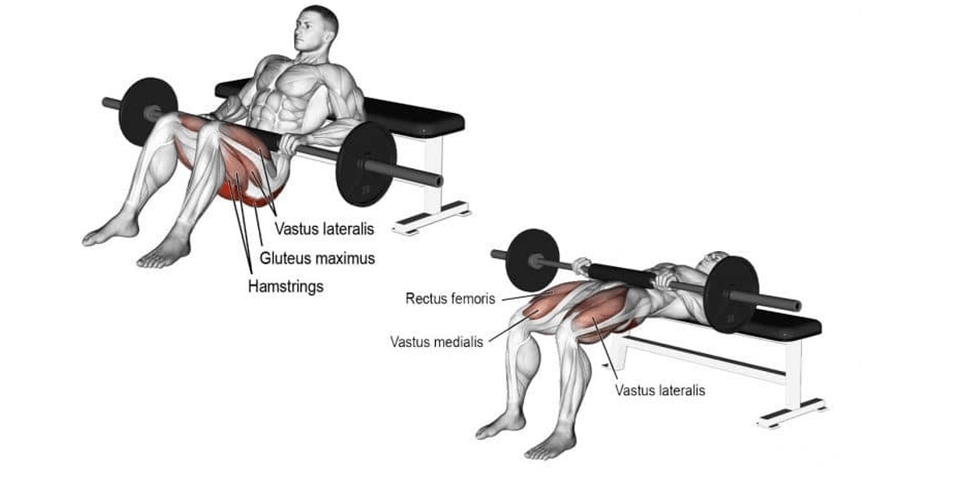
The hip thrust is a highly effective exercise for targeting the glute muscles and building strength in the hips and posterior chain.
1.Start by sitting on the ground with your upper back leaning against a bench or elevated surface.keep your feet hip-width apart.
2.Position a barbell or a weighted plate directly above your hips, ensuring your knees are in line with your toes.
3.Lift your hips until your thighs are parallel to the ground, or as close to parallel as you can comfortably go.
4.Pause briefly at the top, squeezing your glutes, and then lower your hips back down to the starting position under control.
Additional tips for performing hip thrust:
1.Avoid pushing your knees outward or allowing them to collapse inward.
2.Keep your core engaged throughout the exercise to maintain stability and prevent overarching your lower back.
3.You can vary the foot positioning to target different areas of the glutes.
Seated Calf Raise
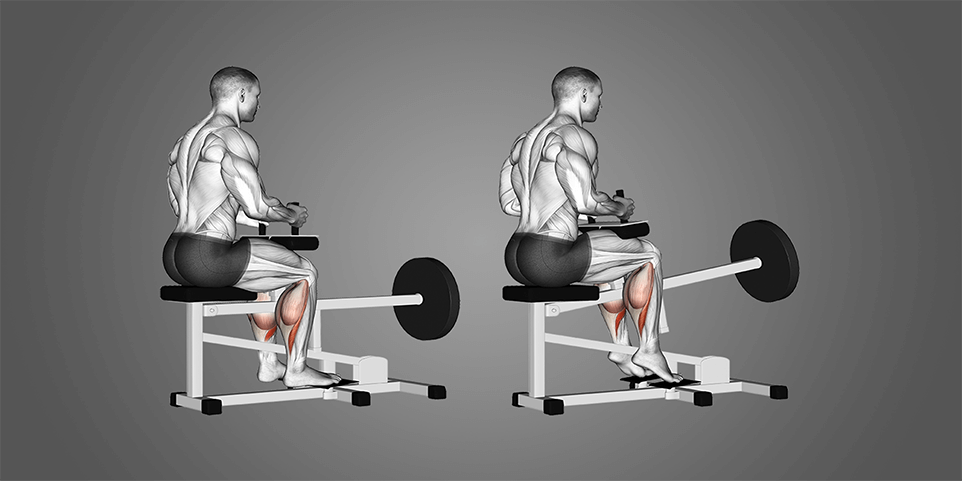
The seated calf raise is an exercise that targets the calf muscles, specifically the gastrocnemius and soleus.
1.Adjust the seat or machine, keep your knees are positioned at a 90-degree angle. Firmly pressed your thighs against the pads of the machine.
2.Start with your heels hanging down below the platform or bench. Push through the balls of your feet and raise your heels as high as possible, extending your ankles.
3.Contract your calf muscles at the top of the movement and hold for a brief moment.
4.Slowly lower your heels back down to the starting position, allowing your calves to stretch.
Additional tips for performing seated calf raises:
1.Keep your feet parallel to each other throughout the movement. Avoid letting your feet turn inward or outward.
2.Try pointing your toes slightly inward, outward, or straight ahead to emphasize different areas of the calves.
3.Use resistance bands, place a dumbbell on your thighs, or use a calf raise machine with adjustable weight plates to make the exercise more challenging
Leg press
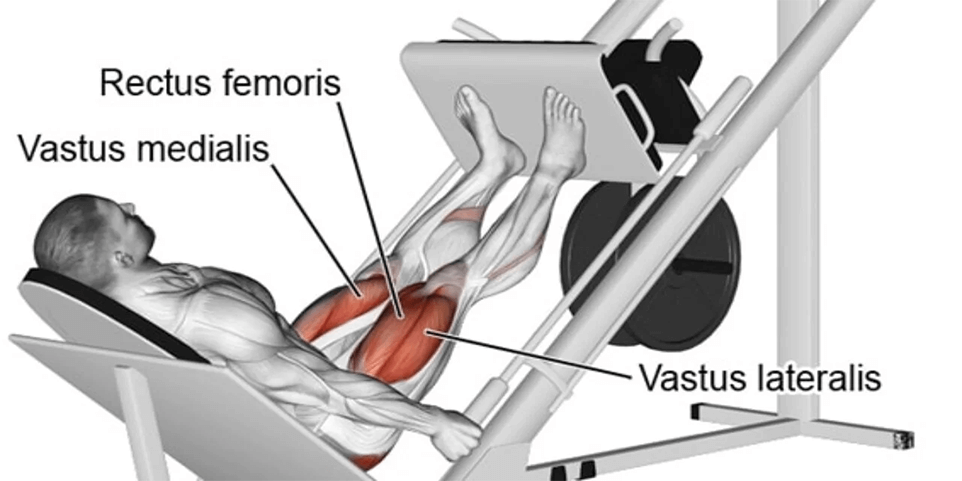
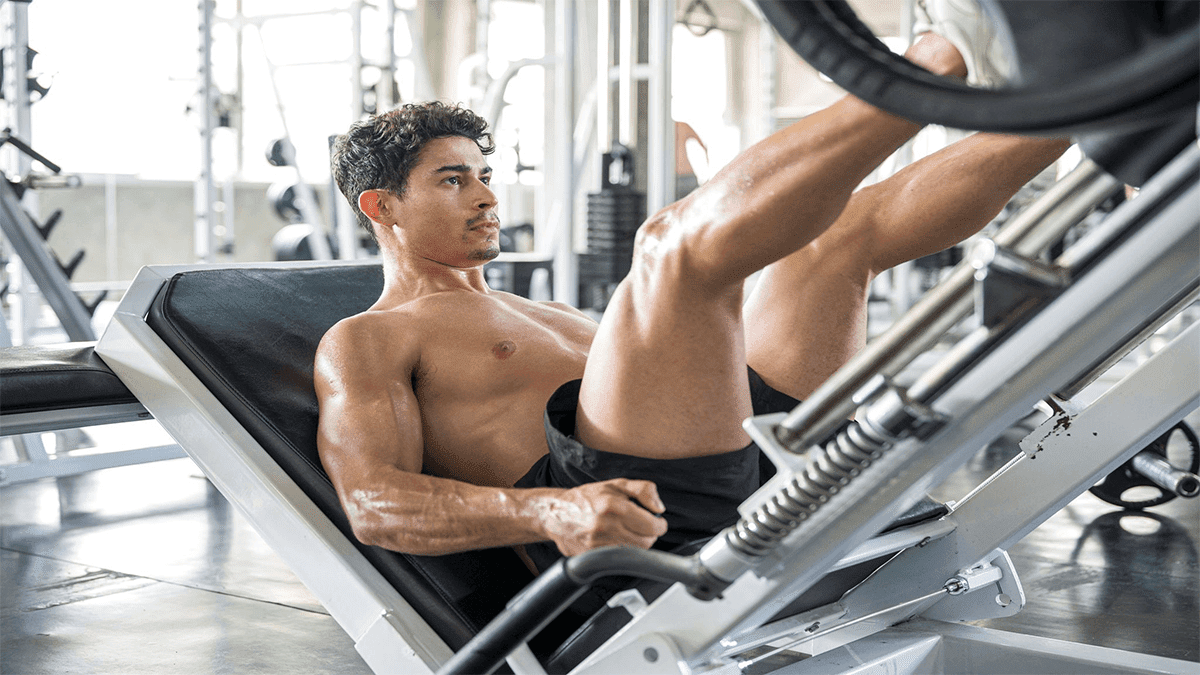
The leg press is a popular exercise that targets the muscles in the lower body, primarily the quadriceps, hamstrings, and glutes
1.Sit down and position your back flat against the backrest. Place your feet on the footplate about shoulder-width apart. Engage your core muscles
2.Push through your feet and extend your legs, driving the footplate away from your body. As you push, focus on pushing through your heels and using your leg muscles to generate the force.
3.Continue extending your legs until they are almost fully straight, but avoid locking out your knees.
4.Pause briefly at the top of the movement, maintaining tension in your leg muscles.
5.Slowly lower the footplate back down towards your body by bending your knees. Once your knees are at approximately a 90-degree angle or slightly lower, pause briefly.
Additional tips for performing the leg press:
1.Keep your back flat against the backrest throughout the exercise
2.Ensure that your knees are aligned with your toes throughout the movement.
3.Do not fully lock out your knees at the top of the movement to maintain tension in your muscles and prevent joint stress.
Leg Extension
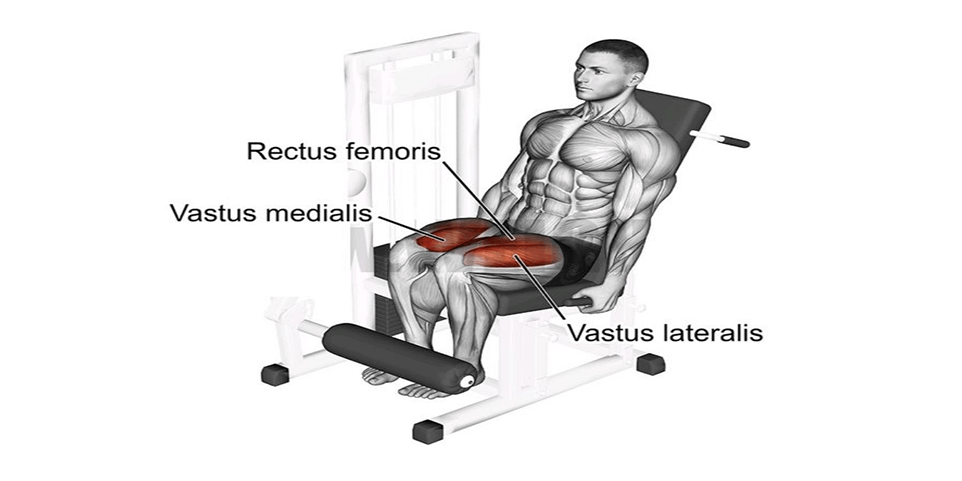
The leg extension is an isolation exercise that targets the quadriceps muscles at the front of your thighs.
1.Place your hands on the handles provided or hold onto the sides of the seat for support.
2.Unlock the machine, lifting your feet up fully extended, but avoid locking out your knees.
3.Slowly lower the weight by bending your knees and allowing the knee pad to lower towards your lower legs.
4.Pause briefly at the bottom of the movement, Contract your quadriceps and extend your legs again, pushing against the resistance of the weight.
Additional tips for performing leg extensions:
1.Keep your back pressed firmly against the backrest, Avoid arching your back or leaning forward during the exercise.
2.Focus on using your quadriceps muscles to perform the movement, rather than relying on other muscle groups.
Leg Curl
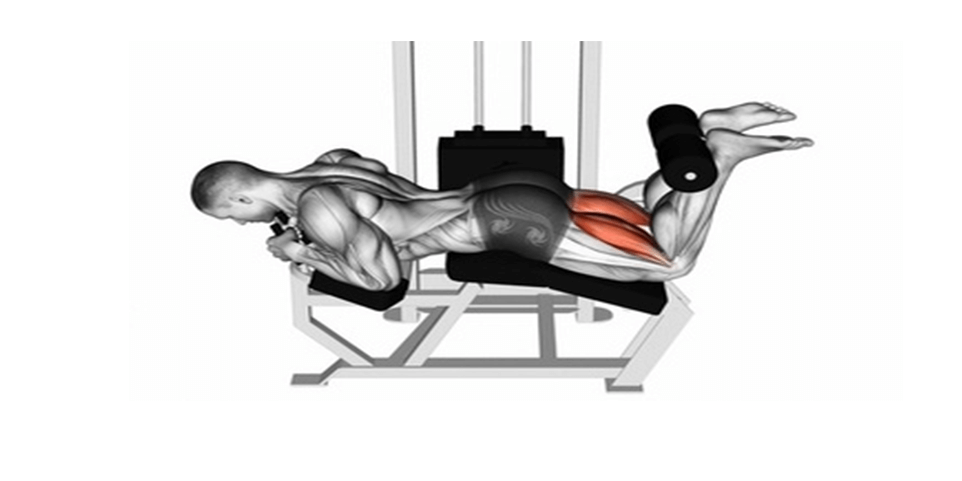
The leg curl is an exercise that targets the muscles at the back of your thighs, specifically the hamstrings.
1.Lie face down on the machine with your knees just beyond the edge of the bench and your lower legs resting against the padded lever.
2.Adjust the machine's lever to align with your lower legs, just above your heels.
3.Hold onto the handles or grip the sides of the machine for support and stability.
4.Begin the leg curl by flexing your knees and curling your lower legs towards your buttocks, Continue curling your legs until your knees are fully flexed.
5.Slowly lower the weight by extending your legs and returning to the starting position
Additional tips for performing leg curls:
1.Keep your hips pressed into the bench and your upper body stable throughout the movement.
2.Keep your core engaged to help stabilize your body and prevent excessive arching or sagging in your lower back.
Hack Squats
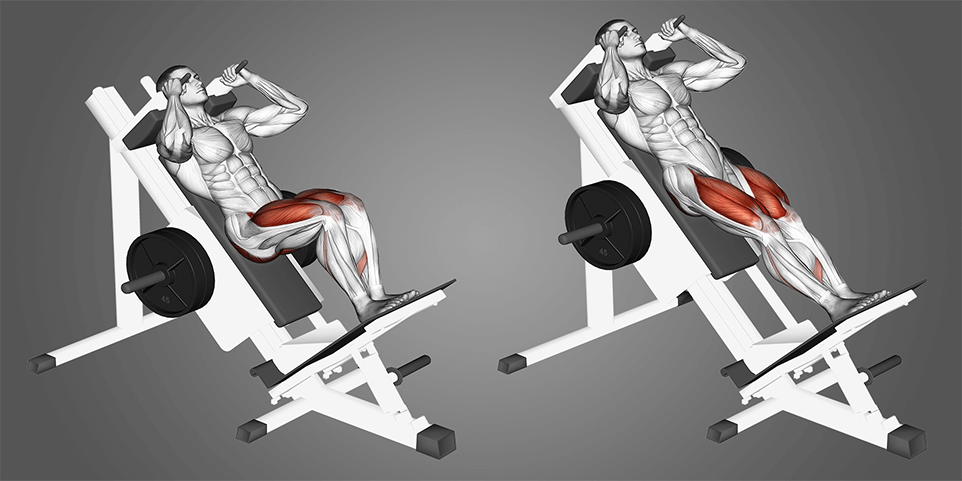
Hack squats are a compound exercise that primarily target the quadriceps, but also engage the glutes, hamstrings, and calves
1.Start by standing in a hack squat machine with your feet shoulder-width apart, toes slightly pointed outwards, and your shoulders against the pad.
2.Begin the descent by bending your knees and hips, pushing your glutes back and down.
3.Lower yourself until your thighs are parallel to the ground, or as low as you can comfortably go
4.Push through your heels and extend your legs to return to the starting position, driving the weight back up. Focus on contracting your quadriceps as you ascend.
Additional tips for performing hack squats:
1.Keep your feet firmly planted on the platform throughout the exercise. Avoid lifting your heels or shifting your weight to the balls of your feet.
2.Keep your back straight and your chest up throughout the movement.
3.Engage your core muscles by pulling your belly button in towards your spine.
Any tips for leg day exercises?
Eating properly on leg day is important to fuel your body.
Aim to eat a balanced meal containing carbohydrates, protein, and healthy fats about 1-2 hours before your leg workout. Drink plenty of water throughout the day, including before, during, and after your leg workout. After your leg workout, focus on consuming a post-workout meal or snack within 1-2 hours to aid in muscle recovery and replenish glycogen stores.
Gradually increase weights
As you progress in your leg training, aim to gradually increase the weights or resistance you use. This progressive overload helps stimulate muscle growth and strength development. However, always prioritize maintaining proper form and don't sacrifice technique for heavier weights.Take your time to learn and understand the correct form for each exercise, and concentrate on executing the movements with control and precision.