What is the seated calf raise?
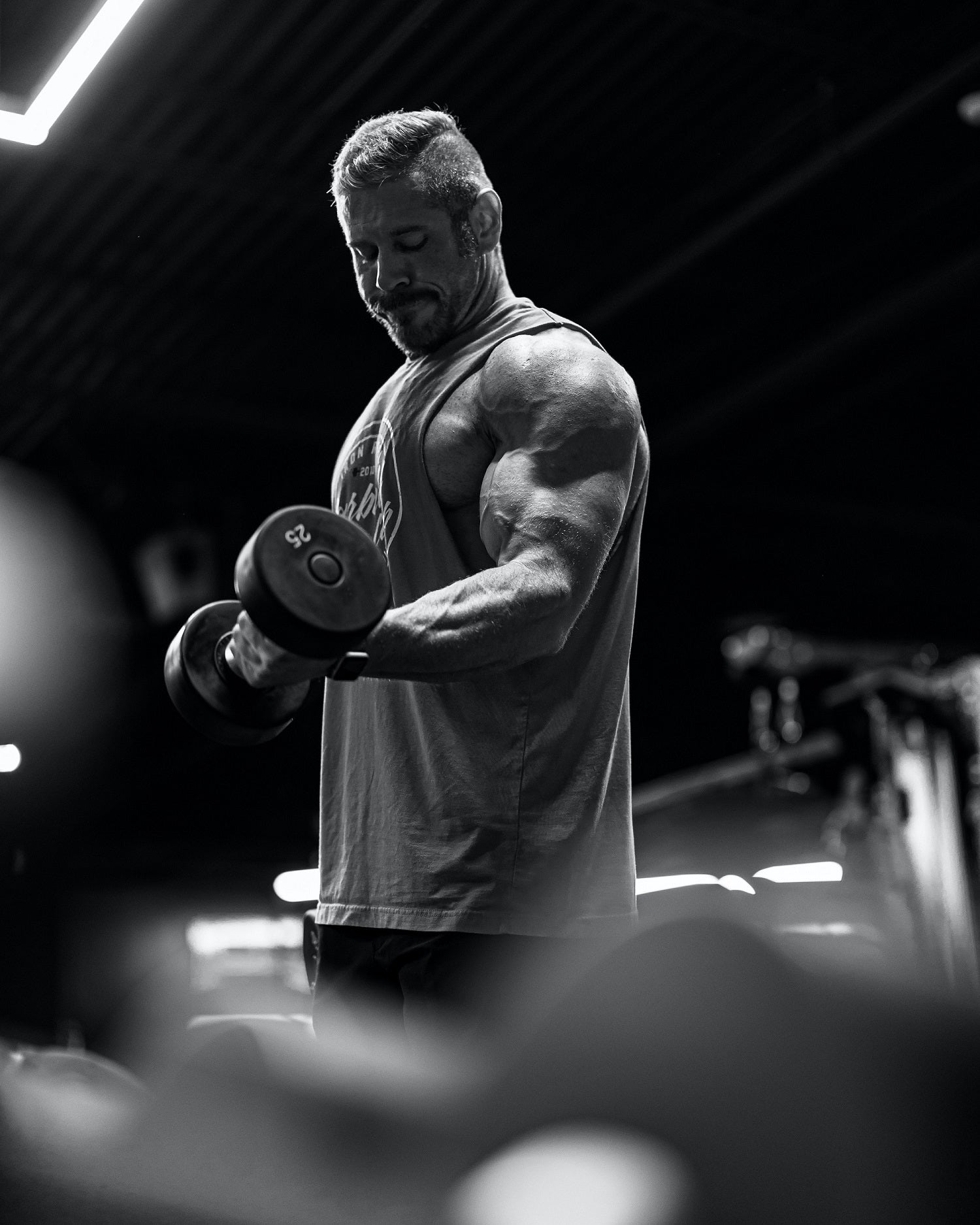
Like a biceps curl for the biceps, a seated calf raise is an isolation exercise focusing on the calf muscles. While compound movements (multi-joint exercises) like squat or deadlift will accomplish more for building the muscles of your lower body and building strength, and are important for overall strength and functional movement, isolation movements have their own benefits and serve specific purposes in a well-rounded fitness program, like targeting specific muscles-calves, is beneficial for balancing muscle development, correcting muscular imbalances, and addressing weak areas.
Muscles worked in the seated calf raise

Soleus: The soleus is a deep calf muscle that runs beneath the larger gastrocnemius muscle. It originates from the tibia and fibula bones and inserts into the Achilles tendon. The seated calf raise is particularly effective at targeting the soleus muscle due to the seated position, which limits the involvement of the larger gastrocnemius. and the soleus muscle plays an important role in the daily function of the lower leg, like Walking and Running, Standing and Balance. Its primary function is plantar flexion, which is the movement of pointing the foot downward.
Also, in upright posture, the soleus is responsible for pumping venous blood back into the heart from the periphery, and is often called the skeletal-muscle pump, peripheral heart or the sural (tricipital) pump.
Soleus muscles have a higher proportion of slow muscle fibers than many other muscles. In some animals, such as the guinea pig and cat, soleus consists of 100% slow muscle fibers. Human soleus fiber composition is quite variable, containing between 60 and 100% slow fibers.
The soleus is the most effective muscle for plantarflexion in a bent knee position (Hence called the first gear muscle). This is because the gastrocnemius originates on the femur, so bending the leg limits its effective tension. During regular movement (i.e., walking) the soleus is the primary muscle utilized for plantarflexion due to the slowtwitch fibers resisting fatigue.
Gastrocnemius: The gastrocnemius is the larger and more superficial muscle of the calf. It has two heads, the medial head, and the lateral head, which originate from the femur bone. The gastrocnemius crosses the knee and ankle joints and inserts into the Achilles tendon. While the seated calf raise primarily targets the soleus, the gastrocnemius also assists in the exercise, especially when the knees are slightly bent during the movement.
Both the soleus and gastrocnemius muscles are responsible for plantar flexion, which is the action of pointing the foot downward, such as when standing on tiptoes or pushing off during walking, running, or jumping.
It's worth noting that the seated calf raise mainly isolates and targets the calf muscles, and it doesn't engage other major muscle groups significantly. To target other lower leg muscles, such as the tibialis anterior (shin muscles) or the peroneals (muscles on the outer side of the lower leg), additional exercises would be required.
Benefits of the seated calf raise exercise
The seated calf raise exercise primarily targets the calf muscles, specifically the soleus muscle. Here are some benefits of incorporating the seated calf raise exercise into your workout routine:Calf muscle development: The seated calf raise specifically isolates and targets the calf muscles, allowing for focused development and strengthening. This exercise helps to increase the size and definition of the calf muscles, which can contribute to an aesthetically pleasing lower leg appearance.
Improved calf strength: By consistently performing seated calf raises, you can increase the strength of your calf muscles. This can be beneficial for various activities that require lower leg strength, such as running, jumping, and sports that involve quick changes in direction.
Enhanced stability and balance: Strong calf muscles play a vital role in maintaining stability and balance during various movements and activities. The seated calf raise exercise can help improve the stability of your ankles and lower legs, reducing the risk of injuries and enhancing overall balance.
Injury prevention: Strengthening the calf muscles can help prevent injuries such as calf strains and Achilles tendonitis. By regularly performing seated calf raises, you can increase the resilience of the calf muscles and surrounding structures, making them less prone to injury.
Rehabilitation and recovery: The seated calf raise exercise can also be beneficial for rehabilitation purposes. If you've experienced a calf injury or undergone lower leg surgery, incorporating this exercise into your rehabilitation program can help rebuild strength, improve range of motion, and aid in the recovery process.
Lower leg aesthetics: Well-developed calf muscles can contribute to an aesthetically pleasing physique. The seated calf raise exercise can help shape and tone the lower legs, creating a more defined and muscular appearance.
Seated calf raise vs. standing calf raise: What's the difference?

Body positioning: In the seated calf raise, you sit on a bench or a seated calf raise machine with your knees bent at approximately 90 degrees and your feet resting on a platform or raised surface. This exercise is performed in a seated position, providing stability and support for your upper body. In contrast, the standing calf raise is performed while standing upright, with your feet flat on the ground or on a raised platform.
Muscle emphasis: The seated calf raise primarily targets the soleus muscle, which is located beneath the larger gastrocnemius muscle in the calf. This is because the seated position keeps the knee joint in a flexed position, which limits the involvement of the gastrocnemius muscle and places more emphasis on the soleus. On the other hand, the standing calf raise targets both the gastrocnemius and soleus muscles, as the extended knee position allows for greater activation of the gastrocnemius.
Range of motion: The seated calf raise typically offers a shorter range of motion compared to the standing calf raise. In the seated variation, the movement involves plantar flexing your ankles (raising your heels) until you reach a point where your calf muscles are fully contracted. In the standing variation, you have a larger range of motion as you can lower your heels below the level of your toes before raising them.
Balance and stability: The seated calf raise provides more stability and support due to the seated position, making it a suitable option for individuals who may struggle with balance or have lower body mobility limitations. The standing calf raise requires greater balance and stability, as it engages more of your core and lower body muscles to maintain an upright posture.
Both exercises have their merits and can be incorporated into a well-rounded calf training program. By including both seated and standing calf raises, you can target different calf muscles and achieve comprehensive calf development
How to perform the seated calf raise
To perform the seated calf raise exercise, follow these steps:Prepare: Sit on a seated calf raise machine or a sturdy bench with your back straight and your feet resting on the foot platform.
Adjust the machine or bench so that the balls of your feet are on the edge of the platform, allowing your heels to hang off.
Place your hands on the designated handles or sides of the machine or bench for stability and support.
Keep your abdominal muscles engaged throughout the exercise.
Start with your feet in a neutral position, toes pointing forward or slightly outward.
Start:
Slowly lower your heels towards the ground, allowing your calf muscles to stretch. Aim to lower your heels as far as possible without causing discomfort or straining your calves.
From the stretched position, push through the balls of your feet and raise your heels as high as you can by contracting your calf muscles. Exhale during this upward movement.
Pause briefly at the top of the movement, squeezing your calf muscles to maximize the contraction.
Slowly lower your heels back down to the starting position with control, inhaling during this downward phase.
Important tips:
Keep your upper body still and avoid using momentum to lift the weight. The movement should be isolated to your calf muscles.
Focus on the upward contraction and the controlled downward movement.
Avoid locking your knees or hyperextending them during the exercise.
Maintain a neutral spine and avoid rounding your lower back.
Perform the exercise in a slow and controlled manner, emphasizing the mind-muscle connection with your calf muscles.
Seated calf raise variations

Single-leg seated calf raise: Perform the seated calf raise exercise described earlier, but focus on one leg at a time. Lift one foot off the platform and perform the calf raise using only the other leg. This variation adds an extra challenge and allows you to focus more on each calf individually.
Dumbbell seated calf raise: Instead of using a seated calf raise machine, you can perform the exercise with dumbbells. Sit on a bench with your knees bent, holding a dumbbell in each hand resting on top of your thighs. Place your feet on a raised platform or step with your heels hanging off. Perform the calf raise by pushing through the balls of your feet and raising your heels as high as possible. The dumbbells provide additional resistance, challenging your calf muscles further.
Smith machine seated calf raise: Position the Smith machine bar at an appropriate height. Sit on a flat bench placed underneath the Smith machine bar. Adjust the height of the bar so that it rests comfortably on your upper thighs when your feet are flat on the foot platform. Use the weight of barbell to train your calf
Seated calf raise with weight plate: Instead of using a machine or dumbbells, you can hold a weight plate on top of your thighs during the seated calf raise. Hold the weight plate securely with both hands, and perform the exercise as described earlier. The weight plate adds resistance and increases the challenge for your calf muscles.